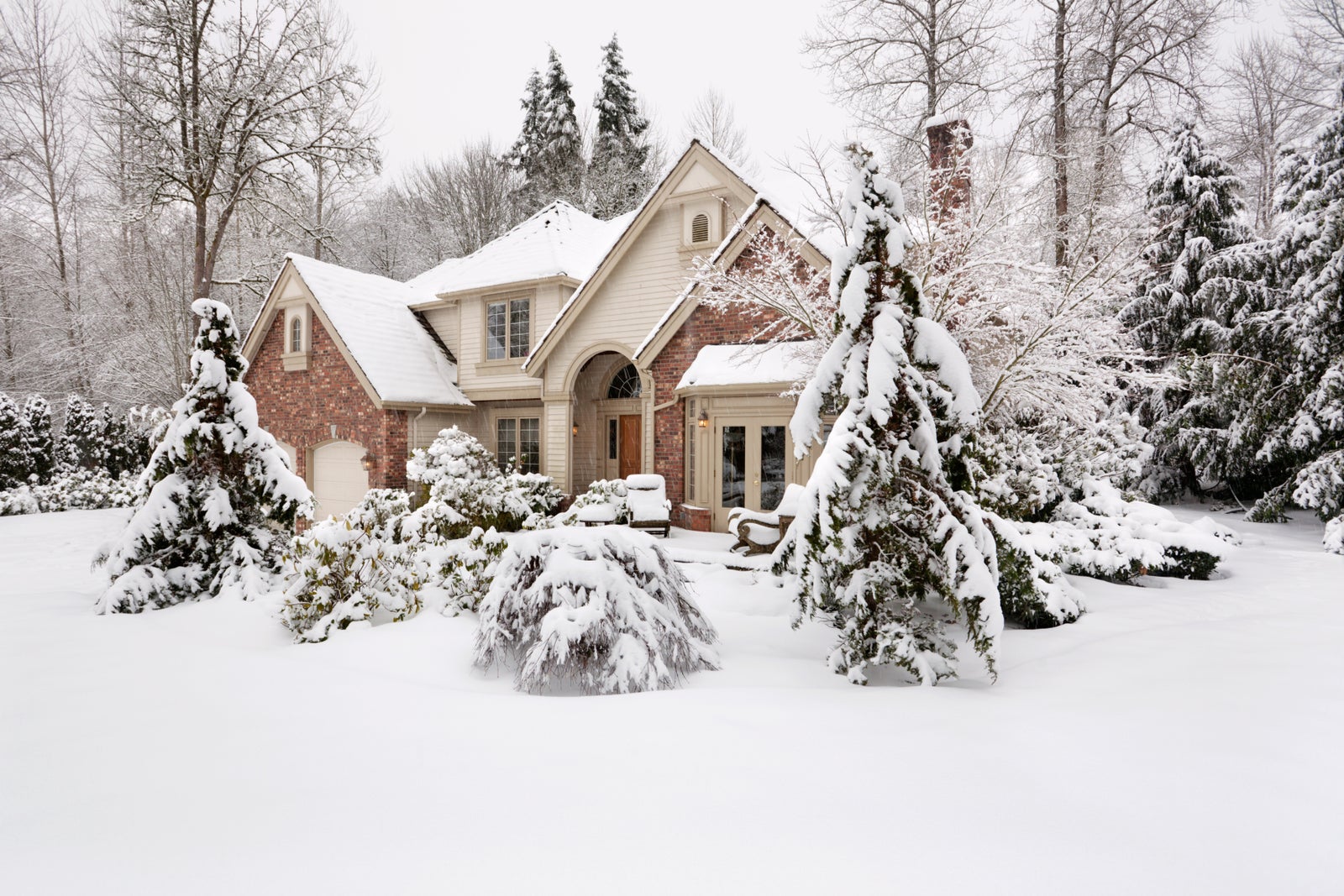
Why winter showings are worth bundling up for
Most people picture house hunting in the Okanagan as a summer thing: open houses on sunny weekends, lake views at their best, patios set up with string lights. Winter, by comparison, can feel like the off-season.But, in my humble opinion: a winter showing is one of the most honest looks you'll ever get at a home. Summer is forgiving. The windows are open, the furnace is off, and the driveway is bare pavement. In December, a house is doing its hardest work. It has to stay warm, keep moisture out, shed snow and get you up the hill to work on an icy morning.
That means winter shows you things a July showing simply can't. If you know what to look for, you'll walk away from each tour with a much clearer picture of what it's actually like to live there, all year round.
Here are the five things I always encourage buyers to check when touring a home in the colder months, plus one bonus tip that matters more in the Central Okanagan than almost anywhere else in Canada.
1. Feel the heat: is the home warm from room to room?
When you walk into a showing in winter, take your coat off. It sounds small, but it's the quickest way to feel how the home actually heats.As you move through the house, notice:
- Even warmth. Is the main floor cozy but the bedroom over the garage chilly? Is the basement noticeably colder? Uneven heat can point to ductwork, insulation or zoning issues.
- The heating system itself. Find the furnace, boiler or heat pump and ask how old it is and when it was last serviced. Listen for rattling or banging, and look for rust or corrosion around the unit and the hot water tank.
- The real cost of staying warm. Ask whether the sellers can share recent FortisBC and BC Hydro bills. Twelve months of bills tells you far more than a listing ever will.
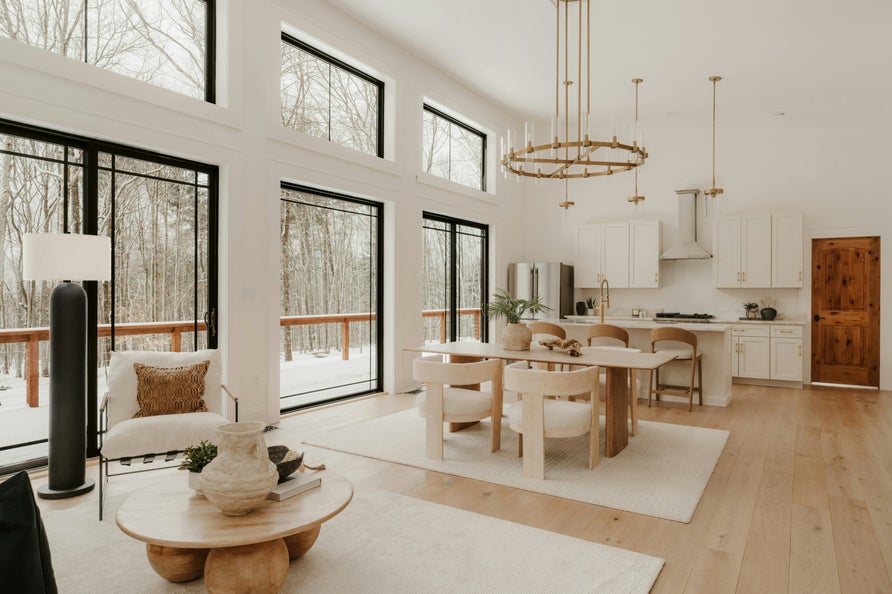 If the heating system is older, that isn't necessarily a deal-breaker. BC Hydro, FortisBC and CleanBC offer rebates on qualifying upgrades, and FortisBC's whole-home heat pump rebate currently goes up to $4,000 for eligible installs. It's worth factoring into your budget and your offer.
2. Check the windows and doors for condensation and drafts
Cold weather is the best time to see how well a home's windows and doors are really performing.- Fog or moisture between the panes of a double-pane window usually means the seal has failed. The window will need replacing to work properly again.
- Heavy condensation or frost on the inside of the glass can point to high humidity or poor ventilation. Over time, that can lead to mould around the frames.
- Drafts. Hold your hand near the edges of windows and exterior doors. Open and close a few. Do they seal snugly, or can you feel cold air sneaking in?
- The window sills. Look for peeling paint, staining or soft wood, which are signs that moisture has been an ongoing issue.
3. Look up: the roof, gutters and ceilings
Before you even walk in the door, take a minute to look at the roofline.- Ice dams and big icicles along the eaves can mean heat is escaping into the attic and melting snow from below. That water refreezes at the edge of the roof and can back up under the shingles.
- Uneven snow cover. If the snow has melted in patches on one part of the roof but not the rest, it can be a clue about insulation or ventilation in the attic.
- Gutters and downspouts. Are they clear and draining away from the house, or are they sagging under ice?
One important note: if the roof is covered in snow, your home inspector may not be able to fully inspect it. Home inspectors can only report on what they can actually see and access. We can talk about how to protect yourself if that happens, which I cover in more detail below.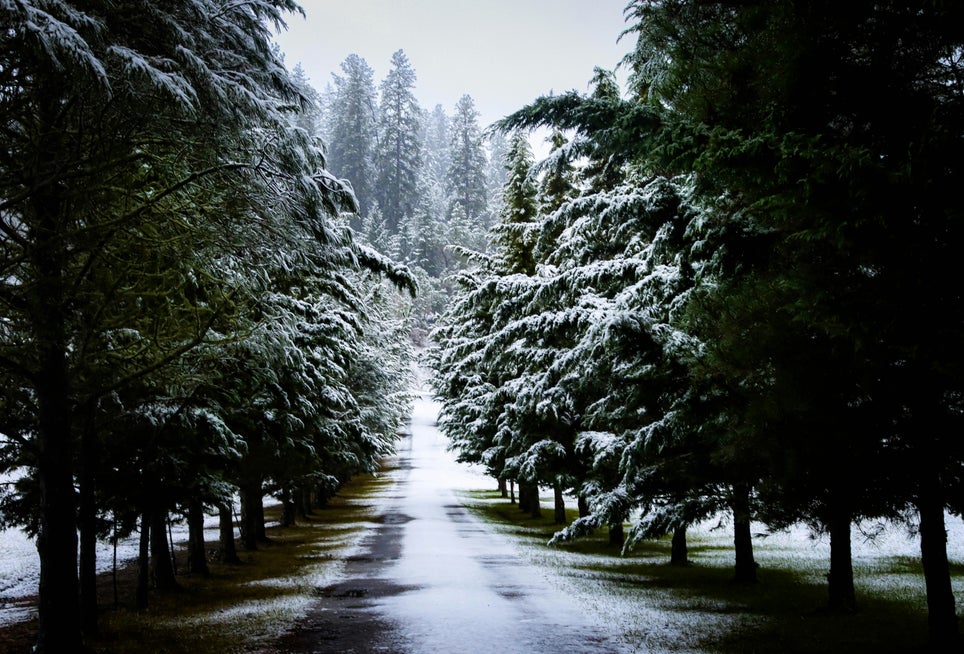 This one is very Okanagan. So many of our neighbourhoods are built into hillsides. They come with incredible views, and in winter they come with some very real questions:
4. Test the drive: driveways, slopes and snow clearing
This one is very Okanagan. So many of our neighbourhoods are built into hillsides. They come with incredible views, and in winter they come with some very real questions:- How steep is the driveway, and which way does it face? A north-facing, steep driveway can hold ice for days after a snowfall. A south-facing one often clears itself.
- Where does the snow go? Is there room to pile it, or will you be shovelling it onto the street?
- What's the street like? The City of Kelowna clears roads by priority. Major arterials are done first, and collector roads with hills, curves, school zones and transit routes come next. Local residential streets are typically cleared and sanded within 48 hours of a snowfall ending. West Kelowna uses a similar system, where neighbourhood streets and cul-de-sacs can take up to two days.
- Is it a designated snow route? Kelowna has snow routes in areas with steep, elevated or narrow roads and lots of cul-de-sacs. These areas are harder to clear, but they don't get special priority.
5. Use your nose: basements, crawlspaces and moisture
In winter, homes are closed up tight. That makes it the perfect time to notice smells and moisture that a breezy summer showing might hide.- A musty smell in the basement or crawlspace can be a sign of dampness or mould.
- Stains, efflorescence (white, chalky deposits) or peeling paint on foundation walls can point to water getting in.
- Condensation on cold water pipes or ducts can suggest humidity issues.
- A sump pump, if there is one: ask when it was last tested and whether it runs often.
Bonus tip: winter is radon-testing season in the Central Okanagan
This is the one I really want Okanagan buyers to know about.Radon is a colourless, odourless radioactive gas that comes up from the ground, and it's the leading cause of lung cancer among non-smokers. The Central Okanagan is a known hotspot. Community testing by the BC Lung Foundation found that 23% of Kelowna homes tested were above Canada's radon guideline.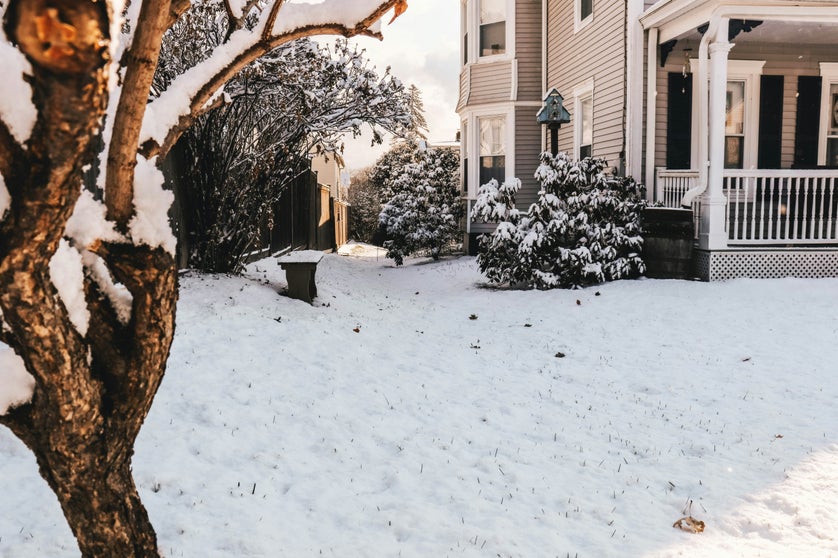
Winter matters here because radon levels rise when windows and doors stay closed. Health authorities recommend testing during the colder months, and the Regional District of Central Okanagan recommends that anyone moving into a new home test it during their first winter there.
What this means for you as a buyer:
- Ask the sellers if the home has ever been tested and whether there's a mitigation system in place.
- Don't panic if levels are high. Radon can be fixed, usually with a mitigation system that vents the gas outside. Newer homes in our region are also required to include radon venting.
- Plan to test once you move in. A long-term test (about 90 days) gives the most reliable reading. Kits are available through the BC Lung Foundation, which also offers free kits at many public libraries.
What about the home inspection in winter?
A winter home inspection is still absolutely worth doing. In some ways it's better, because the inspector can see the heating system working hard, find drafts and spot moisture issues in action.The main limitation is snow. An inspector can only report on what they can see and access, so a snow-covered roof, buried foundation or hidden drainage may be listed as "not inspected." If that happens, we can talk through your options. Depending on the situation, that might mean asking the sellers about the roof's age and history, reviewing past inspection reports, or building extra protection into your offer.
A winter showing tells you a lot, as long as you know where to look. When we tour homes together, these are exactly the things I'll be pointing out and asking about, so you can focus on whether the home feels right for you.
Frequently asked questions
Is winter a good time to buy a home in Kelowna?
It can be. There's typically less competition from other buyers in the colder months, and the sellers who are listed in winter are often motivated. You also get to see how a home performs in its toughest season.What should I bring to a winter showing?
Shoes that slip on and off easily, your phone for photos and notes, and a short list of questions about heating costs, the age of the furnace and roof, and whether the home has been tested for radon.Can a home inspector check a roof covered in snow?
Usually not fully. Inspectors can only report on what they can see and safely access, so a snow-covered roof may be noted as a limitation in the report. Ask your REALTOR® about how to handle it in your offer.When is the best time to test a home for radon?
During the winter months, when windows and doors are closed. A long-term test of about three months gives the most accurate result.Do hillside neighbourhoods in Kelowna get their snow cleared first?
Not necessarily. Kelowna clears roads by priority, starting with major arterials and collector roads. Local residential streets come after, typically within 48 hours of a snowfall ending. Designated snow routes in steep areas don't get special priority.
Thinking about buying this winter?
A winter showing tells you a lot, as long as you know where to look. When we tour homes together, these are exactly the things I'll be pointing out and asking about, so you can focus on whether the home feels right for you.If you're thinking about buying in Kelowna, West Kelowna, Lake Country or anywhere in the Central Okanagan this winter, I'd love to help. Reach out any time, even if you're just starting to look.
📞 (250) 863-1274 ✉️ info@kararosart.com 🌐 kararosart.com
Kara Rosart, Personal Real Estate Corporation | Oakwyn Realty
This post is for general informational purposes and does not constitute professional, legal, financial or health advice. Snow clearing priorities, rebate programs and radon guidance are set by municipalities, utilities and health authorities and may change. Always confirm current details with the relevant organization, and work with a qualified home inspector and your REALTOR® before making a purchase decision.
Sources: City of Kelowna Snow Clearing & Ice Control; City of West Kelowna Snow and Ice Control; Regional District of Central Okanagan Radon Testing; BC Lung Foundation Central Okanagan radon community testing; Interior Health Radon; FortisBC Heat Pump Rebates; Office of Consumer Affairs (Government of Canada), Home Inspections.