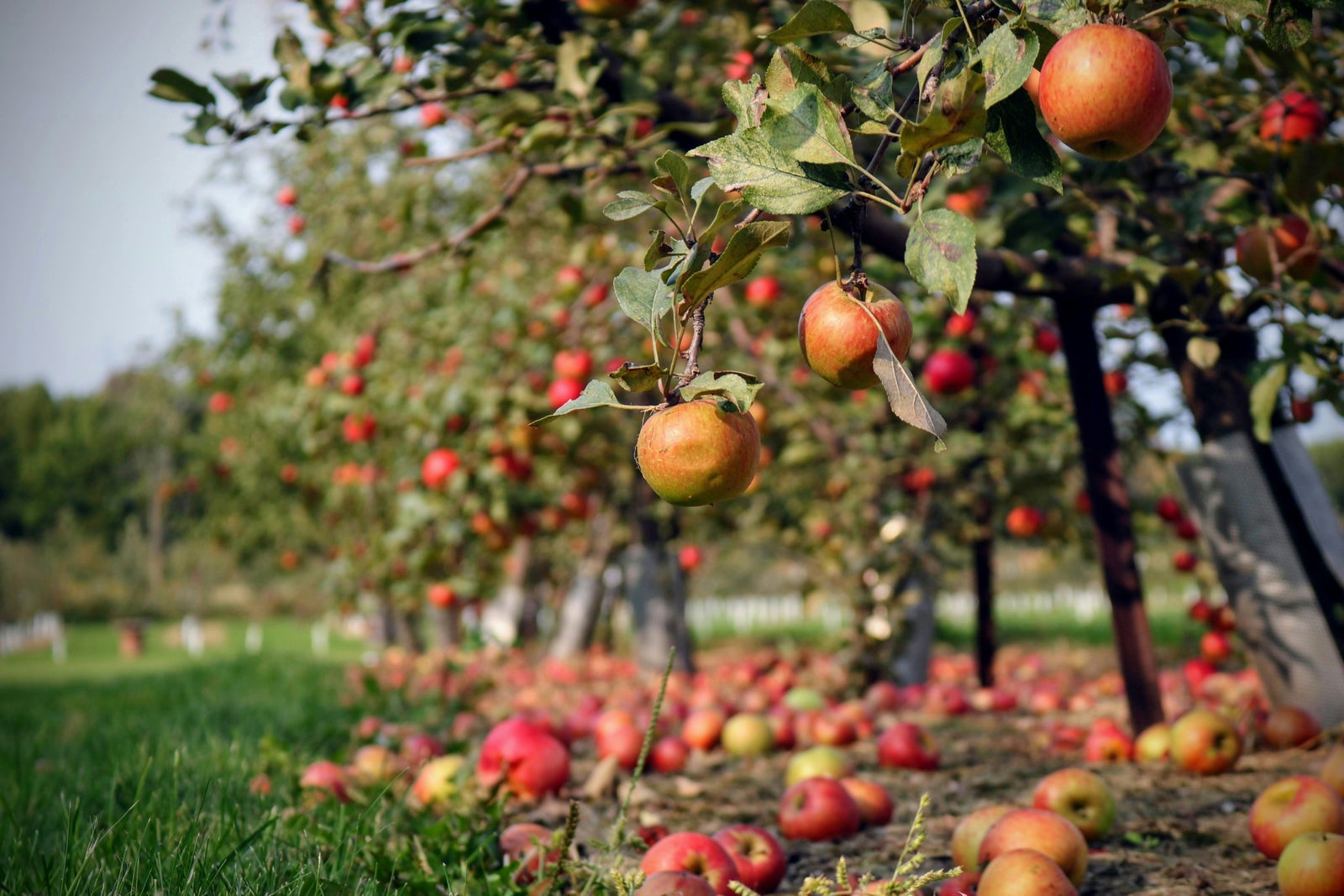
 There's a particular kind of Okanagan fall that's easy to fall for: the vineyards in full harvest, the hillsides turning gold along Knox and Dilworth, quieter trails and lake mornings once the summer crowds have cleared out. It's also, without much competition for your attention, one of the more comfortable seasons to actually go tour homes — no spring mud, no summer heat, no scrambling for a showing slot between everyone else's open houses.
Every year, the same thing happens on the market side, though: spring gets all the attention, and by the time fall rolls around, a lot of buyers have quietly checked out for the season. They tell themselves they'll pick it back up in the new year.
That's usually a mistake — and this fall, the numbers back that up.
Between a Bank of Canada rate that's held steady for seven straight meetings, a Central Okanagan market that's shifted into buyer's-market territory, and a noticeable pullback in the number of people actively shopping, fall 2026 is shaping up to be one of the more buyer-friendly stretches we've seen in a while. Here's what's actually happening, and why it matters if you're thinking about buying — or selling — in the Okanagan right now.
1. Central Okanagan has shifted into a buyer's market
As of August 2026, Central Okanagan sold 362 units against roughly 3,953 active listings — an absorption rate of about 9.16%, or close to 11 months of supply. That's solidly inside buyer's-market territory, and it's a shift from where things sat even a couple of months earlier. Single-family homes and townhomes are both showing buyer's-market conditions at the sub-segment level, with condos just barely holding in balanced territory.What that means in practice: more homes to look at, less pressure to make a snap decision, and considerably more room to negotiate on price, closing dates, and conditions than you'd typically get in a spring bidding-war environment.
2. Your financing costs aren't a moving target
The Bank of Canada held its policy rate at 2.25% for a seventh consecutive meeting on September 2, 2026 — a hold that's now stretched back to January. The Bank's next scheduled decision isn't until October 28, and even then, most economists aren't expecting a dramatic shift given that the recent uptick in inflation is being driven largely by energy prices rather than the broader economy.For buyers, that stretch of predictability is worth something real. You can get pre-approved, shop with a firm number in hand, and not worry about your borrowing power shifting materially between the time you start looking and the time you're ready to write an offer.
3. The sellers who are still listing tend to be serious
New listings across the region have pulled back sharply this year — nearly 19% fewer new listings hit the market in August compared to the year before, and active listings are down close to 9% year-over-year. At the same time, the list-to-sell ratio in Central Okanagan actually improved slightly to just over 96%, meaning the homes that are trading are closing close to asking price.Put those two things together and you get a smaller, but more motivated, pool of sellers. Anyone still bringing a home to market in October or November — rather than waiting for spring — is often more open to a conversation about price, timeline, or conditions. kind of widespread hesitation tends to thin out the buyer pool — fewer people touring homes, fewer competing offers, less urgency at the negotiating table.
4. Buyer sentiment is cautious, which works in your favour
According to CREA data, more than 60% of British Columbians currently believe it's a bad time to make a major purchase. Thatkind of widespread hesitation tends to thin out the buyer pool — fewer people touring homes, fewer competing offers, less urgency at the negotiating table.Historically, some of the best purchases happen precisely when general sentiment is this cautious. It's uncomfortable to buy against the grain, but it's often exactly when the leverage tips toward the buyer.
5. Prices are still holding, not falling
Despite the slowdown in sales activity, Kelowna & Central Okanagan's Composite HPI benchmark price was actually up 1.6% year-over-year and 1.1% month-over-month as of July 2026. Single-family benchmarks gained even more (+2.3%), while townhome sales rose nearly 15% year-over-year despite softer benchmark pricing. Condos remain the softest segment, with benchmark prices down about 2%.The takeaway: this isn't a market in freefall — it's a market taking a breath. Buying now means locking in today's pricing before any renewed momentum (which tends to show up again come spring) has a chance to push values back up.
right property comes up before winter.
A bonus tip: get pre-approved before the next rate decision
Even with rates steady since January, the next Bank of Canada announcement lands October 28. Getting pre-approved now — while the number is known and predictable — means you're not shopping with a moving target, and you can move quickly if theright property comes up before winter.
What this means if you're selling, too
It's not just buyers who benefit from understanding these conditions. If you're a seller weighing whether to list now or wait for spring, it's worth knowing that today's smaller buyer pool is also a more serious one — the people touring homes right now are genuinely in the market, not just spring-browsing. Pricing realistically for current conditions, rather than holding out for last year's numbers, tends to be the difference between a fall sale and a long, frustrating winter on the market.
Thinking about making a move this fall?
Whether you're weighing a purchase, wondering what your home is worth in today's market, or just want a second opinion on the numbers, I'm happy to walk through what these conditions mean for your specific situation.📞 (250) 863-1274 ✉️ info@kararosart.com 🌐 kararosart.com
Kara Rosart, Personal Real Estate Corporation | Oakwyn Realty
Sources: Association of Interior REALTORS® (AIR) market statistics, Kelowna & Central Okanagan real estate market report (August 2026), Bank of Canada rate announcements, CREA consumer sentiment data.
Sources: Association of Interior REALTORS® (AIR) market statistics, Kelowna & Central Okanagan real estate market report (August 2026), Bank of Canada rate announcements, CREA consumer sentiment data.